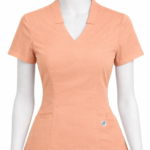
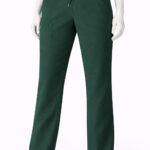
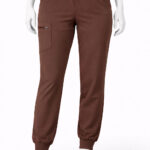
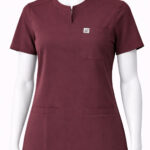
No products added!


Healthcare professionals spend long hours on their feet, moving between patients, equipment, and clinical tasks. During these demanding shifts, clothing is not just about appearance—it plays a major role in comfort, hygiene, and performance. Choosing the right medical scrubs and uniforms can make daily work easier and more efficient.
Not all scrubs are created equal. Some provide excellent durability and comfort, while others may wear out quickly or feel uncomfortable after repeated washing. Understanding what features to look for helps healthcare workers make informed choices that support both productivity and well-being. In this guide, we will explore the essential features that define high-quality scrubs and how to choose the right ones for your role.
Why Quality Medical Scrubs and Uniforms Matter
Healthcare work often involves long shifts, constant movement, and exposure to different environments. Wearing poorly designed scrubs can lead to discomfort, restricted movement, and unnecessary distractions during work hours. Quality medical scrubs and uniforms help professionals stay focused on patient care rather than dealing with clothing issues.
Durable scrubs also support infection control and hygiene practices. Healthcare environments require clothing that can withstand frequent washing at high temperatures without losing shape or color. Reliable scrubs maintain their structure and appearance even after repeated use, making them a dependable choice for daily wear.
Professional appearance is another important factor. Clean, well-fitted uniforms create a positive impression and help build patient trust. When healthcare workers feel confident in their clothing, it often reflects in their performance and interactions with patients.
Essential Features of Good Medical Scrubs and Uniforms
Understanding the features that define quality scrubs can help you make better purchasing decisions. Below are the most important elements to consider when selecting medical scrubs and uniforms.
Breathable and Comfortable Fabric
Comfort begins with fabric choice. Healthcare workers often work in warm environments or move constantly throughout their shifts. Breathable fabrics help regulate body temperature and prevent overheating.
Cotton blends and moisture-wicking materials are popular options because they allow air circulation while keeping the body dry. Soft fabrics also reduce skin irritation, especially during long working hours. Choosing comfortable fabric can significantly improve focus and productivity during demanding shifts.
Easy-to-Clean and Stain-Resistant Material
Healthcare settings involve exposure to fluids, medications, and other substances that can stain clothing. Good scrubs should be easy to clean and capable of maintaining their appearance after repeated washing.
Stain-resistant materials help reduce visible marks and keep uniforms looking professional. Fabrics that retain their color and structure even after multiple washes are especially valuable. This feature saves time and ensures that uniforms remain presentable throughout their lifespan.
Durability for Daily Use
Durability is one of the most important characteristics of quality scrubs. Healthcare uniforms are worn frequently and washed regularly, which can cause weaker fabrics to fade or tear.
Look for reinforced stitching and strong fabric construction. High-quality scrubs are designed to handle daily wear without losing their shape. Investing in durable medical scrubs and uniforms reduces the need for frequent replacements and provides long-term value.
Proper Fit and Flexibility
Healthcare work involves bending, stretching, lifting, and reaching throughout the day. Scrubs that restrict movement can cause discomfort and limit efficiency.
Stretchable fabrics and ergonomic designs provide flexibility and allow smooth movement. A proper fit also prevents clothing from feeling too tight or too loose. Modern scrubs are available in various fits, including relaxed and tailored styles, making it easier to find options that suit individual preferences.
Functional Pockets and Storage
Healthcare professionals often carry essential tools such as pens, notepads, scissors, and medical devices. Functional pockets are a practical feature that improves convenience during work.
Well-designed scrubs include multiple pockets placed in accessible locations. Deep and secure pockets prevent items from falling out while moving quickly between tasks. This small detail can significantly improve daily workflow and efficiency.
Infection Control and Hygiene Support
Maintaining hygiene is critical in healthcare environments. Some scrubs are designed with antimicrobial properties that help reduce the growth of bacteria on fabric surfaces.
Even without specialized coatings, fabrics that can withstand frequent washing at high temperatures are essential. Choosing scrubs that support infection control practices helps maintain a safer workplace for both staff and patients.
Professional Appearance and Style
While functionality is important, appearance also matters. Professional-looking uniforms contribute to a clean and organized work environment.
Modern scrubs are available in a wide range of colors and designs, allowing healthcare workers to maintain uniform standards while expressing personal style within workplace guidelines. A neat and polished appearance helps create a positive impression and enhances workplace confidence.
Climate-Appropriate Fabric for Canadian Conditions
Healthcare workers in Canada experience seasonal temperature changes that can affect comfort during travel and work hours. Choosing climate-appropriate fabric is particularly important.
Layer-friendly scrubs allow professionals to adapt to colder conditions without compromising comfort indoors. Lightweight materials are ideal for warmer environments, while slightly thicker fabrics provide warmth when needed. Selecting suitable materials ensures year-round comfort.
How to Choose the Right Medical Scrubs for Your Role
Different healthcare roles have unique requirements, and choosing scrubs based on job responsibilities can improve daily comfort.
Nurses, for example, often require scrubs with flexible fabric and multiple pockets to handle constant movement and tool storage. Emergency department staff benefit from lightweight materials that allow rapid movement. Laboratory professionals may prioritize stain resistance due to frequent exposure to chemicals and fluids.
Support staff, technicians, and administrative personnel also benefit from comfortable and professional uniforms suited to their specific duties. Understanding the demands of your role makes it easier to select medical scrubs and uniforms that meet your daily needs.
Tips for Maintaining Medical Scrubs and Uniforms
Proper maintenance helps extend the lifespan of scrubs and keeps them looking professional. Following simple care practices can make a noticeable difference.
Always follow washing instructions provided on the garment label. Washing scrubs separately from everyday clothing helps maintain hygiene and prevents contamination. Using appropriate detergents designed for medical fabrics can also improve cleanliness.
Avoid excessive heat during drying, as it may weaken fibers over time. Inspect scrubs regularly for signs of wear, such as loose threads or fading fabric. Replacing worn-out garments ensures continued comfort and professional appearance.
Taking proper care of medical scrubs and uniforms helps maintain their durability and ensures consistent performance during daily use.
Conclusion
Choosing the right scrubs is an important decision for healthcare professionals. High-quality medical scrubs and uniforms provide comfort, durability, and functionality that support long and demanding shifts. Features such as breathable fabric, flexible design, and reliable stitching make a noticeable difference in daily performance.
Well-designed scrubs also contribute to hygiene, safety, and professional appearance. By understanding what features to look for and selecting scrubs suited to specific roles, healthcare workers can improve both comfort and efficiency. Investing in reliable uniforms is not just about clothing—it is about supporting the important work healthcare professionals do every day.
What fabric is best for medical scrubs and uniforms?
The best fabrics for medical scrubs and uniforms are breathable and durable blends such as cotton-polyester or stretch fabrics. These materials provide comfort during long shifts, allow flexibility, and withstand frequent washing without losing shape or color.
How often should medical scrubs be replaced?
Medical scrubs should typically be replaced when they show signs of wear such as fading, thinning fabric, or loose stitching. High-quality scrubs can last several months to a year, depending on usage and washing frequency.
Why are pockets important in medical scrubs?
Pockets are an essential feature in scrubs because healthcare workers need quick access to tools such as pens, gloves, and small medical instruments. Well-designed pockets improve efficiency and make daily tasks easier during busy shifts.
Are stretch fabrics better for healthcare uniforms?
Yes, stretch fabrics are highly recommended for healthcare uniforms because they allow better mobility and flexibility. Healthcare professionals frequently bend, lift, and move throughout the day, so flexible fabric helps reduce discomfort and improves overall performance.
How do I choose the right size for medical scrubs and uniforms?
To choose the right size, refer to the brand’s size chart and consider your comfort preferences. Scrubs should allow free movement without being too tight or too loose. Trying different fits, such as relaxed or tailored styles, can help find the most comfortable option.