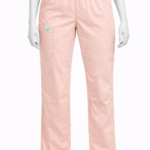
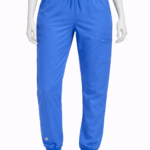
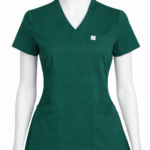
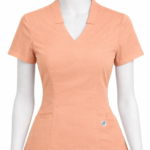
No products added!


Healthcare workers in Canada face demanding schedules and unpredictable environments every day. Their work requires long hours, physical strength, emotional resilience, and constant movement. Beyond patient care, they must also deal with environmental factors such as cold weather, frequent uniform washing, and the need to stay comfortable during extended shifts.
Choosing the right nursing scrubs is not simply about appearance. It is about function, reliability, and comfort during physically demanding workdays. High-quality scrubs for healthcare workers can make daily tasks easier and reduce distractions caused by discomfort or poor fabric performance. Understanding the everyday challenges healthcare workers face helps explain why selecting reliable scrubs matters more than many people realize.
The Reality of Long Shifts in Healthcare
Long shifts are one of the most common challenges in healthcare settings. Many healthcare workers in Canada regularly work shifts lasting ten to twelve hours. Some work even longer during emergencies or staffing shortages.
Standing for extended periods can cause fatigue, back strain, and foot discomfort. Clothing that feels restrictive or heavy can make these physical challenges worse. Tight seams or poorly designed fabric may cause irritation after hours of movement. Even small discomforts can become major distractions during long shifts.
Reliable nursing scrubs help reduce these problems by providing comfort that lasts throughout the day. Lightweight yet durable fabrics help maintain airflow and reduce overheating during busy periods. Flexible materials also allow healthcare workers to move naturally without constantly adjusting their uniforms.
Well-designed scrubs for healthcare workers support physical endurance by reducing friction and maintaining consistent comfort during long working hours.
Winter Challenges for Healthcare Workers in Canada
Winter conditions in Canada present a unique set of challenges for healthcare workers. Many professionals travel to work early in the morning or late at night when temperatures are extremely low. Snow, ice, and freezing winds are part of daily routines during winter months.
Healthcare workers often move between buildings, parking areas, and entrances while exposed to cold weather. Thin uniforms may not provide enough warmth, while bulky layers can restrict movement and slow response times. Balancing warmth and flexibility becomes a daily challenge.
High-quality nursing scrubs help address this problem by allowing proper layering without creating bulk. Fabric that retains warmth while remaining breathable supports comfort both indoors and outdoors. This balance is especially important in Canadian healthcare environments, where temperature changes between outdoor cold and indoor heating can be significant.
Durable scrubs for healthcare workers also resist moisture from snow and slush exposure. Quick-drying materials help maintain comfort after exposure to wet conditions, reducing discomfort during long shifts.
Mobility and Flexibility During Daily Tasks
Healthcare work requires constant movement. Nurses, technicians, and support staff frequently bend, lift, stretch, and reach throughout the day. Tasks such as transferring patients, adjusting equipment, or responding to emergencies require unrestricted mobility.
Uniforms that lack flexibility can slow movement and create unnecessary strain. Stiff fabrics or tight seams may cause discomfort during repeated physical activity. Over time, these issues can contribute to fatigue and muscle tension.
Modern nursing scrubs are designed with stretch fabrics that support full movement. Flexible seams and ergonomic cuts help maintain comfort during repeated motion. This reduces pressure points and allows healthcare workers to focus on patient care rather than adjusting their clothing.
Well-structured scrubs for healthcare workers improve efficiency by allowing smooth movement without restriction. When mobility is supported, daily tasks become easier and safer.
Hygiene and Frequent Washing Challenges
Healthcare uniforms are washed frequently due to hygiene requirements. Daily exposure to fluids, medications, and contaminants makes regular cleaning essential. However, repeated washing can damage low-quality fabrics.
Common problems include fading colors, shrinking material, and weakened stitching. Over time, these issues reduce comfort and create an unprofessional appearance. Healthcare workers rely on uniforms that maintain their structure even after repeated cleaning.
Durable nursing scrubs are designed to withstand high-temperature washing without losing shape. Strong stitching and color-retaining fabrics help maintain consistent quality over time. This reliability supports both hygiene standards and long-term use.
Quality scrubs for healthcare workers also resist stains and maintain a professional look even after multiple washes. This reduces the need for frequent replacement and supports daily confidence in appearance.
The Importance of Pockets and Functional Design
Healthcare professionals carry essential tools throughout their shifts. Items such as pens, gloves, scissors, and small devices must remain accessible at all times. Poorly designed pockets can slow workflow and create frustration during busy moments.
Limited storage space forces healthcare workers to search for tools or carry extra accessories. This wastes valuable time and disrupts focus during patient care.
Functional nursing scrubs include multiple well-placed pockets that improve accessibility. Deep and secure pockets prevent items from falling out during movement. Strategic placement ensures tools remain within easy reach throughout the day.
Thoughtful scrubs for healthcare workers support efficiency by reducing interruptions. When tools are organized and accessible, daily tasks become smoother and more manageable.
Choosing the Right Nursing Scrubs for Canadian Conditions
Selecting the right uniform involves more than choosing a color or style. Healthcare workers in Canada must consider environmental conditions, workplace demands, and daily responsibilities.
Key features to look for in nursing scrubs include durability, flexibility, and temperature adaptability. Fabric should remain breathable during indoor work while allowing comfortable layering for cold outdoor conditions. Stretch materials support movement and reduce fatigue during physically demanding tasks.
Reliable scrubs for healthcare workers should also maintain shape after repeated washing. Strong stitching and stain-resistant fabric help maintain professional appearance over time. Choosing scrubs designed for real-world healthcare environments improves daily comfort and reliability.
Healthcare professionals benefit from uniforms that support their workload rather than add to their challenges.
Conclusion
Healthcare workers in Canada face daily challenges that extend beyond patient care. Long shifts, frequent movement, strict hygiene requirements, and harsh winter conditions create demanding environments that require dependable clothing.
Reliable nursing scrubs play an important role in supporting comfort, mobility, and durability during demanding workdays. High-quality scrubs for healthcare workers reduce distractions caused by discomfort and allow professionals to focus on providing quality care.
Choosing the right uniform is not just a matter of convenience. It is a practical decision that supports performance, safety, and daily confidence. When scrubs are designed to handle real-world challenges, healthcare workers can move through their shifts with greater comfort and efficiency.
What features should nursing scrubs have for Canadian winter conditions?
Nursing scrubs designed for Canadian conditions should support layering, retain warmth, and remain breathable indoors. Durable fabrics that handle temperature changes and moisture from snow are especially useful for maintaining comfort during winter shifts.
How many sets of scrubs should healthcare workers own?
Most professionals benefit from having at least three to five sets of scrubs for healthcare workers. This allows time for proper washing and drying between shifts while ensuring clean uniforms are always available when needed.
Why is flexibility important in nursing scrubs?
Healthcare work involves frequent bending, lifting, and reaching. Flexible nursing scrubs made with stretch fabrics support natural movement and help reduce discomfort during long shifts, allowing healthcare workers to perform tasks more efficiently.
How often should nursing scrubs be replaced?
Nursing scrubs should be replaced when signs of wear appear, such as fading fabric, thinning material, or loose stitching. Regular replacement helps maintain hygiene standards and ensures continued comfort during daily use.
What materials are best for scrubs used in healthcare settings?
High-quality scrubs for healthcare workers are typically made from cotton blends or stretch fabrics that balance durability and comfort. Materials that resist stains, maintain shape after washing, and allow airflow are ideal for busy healthcare environments.