No products added!

Six forty five in the morning and you have already crossed the unit three times. An IV line to check, supplies pulled down from a top shelf, a crouch beside someone’s wheelchair, a half jog to answer a call bell before the coffee has even gone cold. Twelve hours later your body has put in more work than most gym sessions manage in a week, and you have done all of it in the same pair of pants.
That is really the starting point for understanding what healthcare workers need from a uniform. Not how it photographs on a hanger. How the fabric behaves at hour nine, whether the waistband is still where you left it, whether the pockets hold a pen and a badge and a pair of scissors without pulling at your hip every time you sit down. Jogger scrubs earned their spot in hospitals and clinics by answering exactly that kind of question, not by being trendy.
What Makes Jogger Scrubs Different?
Standard scrub pants have been the default for decades. There is nothing wrong with that. They are simple and they work. But a straight leg cut was never really built with someone crouching, kneeling, and sprinting to a bed alarm in mind, and most people who have spent a full shift in them know exactly the feeling by mid afternoon, that slight looseness flapping around the ankle while trying to move fast.
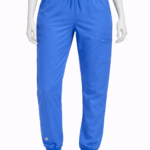
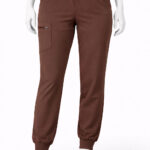
Jogger scrubs borrow more from running or lounge wear than from the classic hospital pant. A tapered ankle, usually with an elastic or ribbed cuff. A waist that sits comfortably rather than needing constant hiking up. Often a drawstring thrown in for good measure. The tapering at the bottom is really the whole point, since it keeps fabric from swinging or catching when you are moving between rooms in a hurry.
Put simply, it is a pant that feels like something you would wear on a day off, except it holds up to twelve hours on a hospital floor. Nurses figured this out fairly quickly, and jogger style scrubs have become a common sight on units where people are constantly on the move.
Why Movement Matters During a Healthcare Shift
There is not much stillness in this line of work. You are charting one minute, and the next you are helping reposition a patient or moving fast down a corridor because a bed alarm just went off. The pace shifts constantly and without warning.
A stiff waistband becomes obvious the moment you sit to chart. Excess fabric at the ankle catches on equipment or makes bending down feel clumsy. None of this sounds like a big deal in isolation. It just is not, on its own. But stretch any small irritation across twelve hours and it stops being small.
Jogger scrub pants tend to hold up better here, mostly because of that tapered cuff staying close to the ankle when you crouch or squeeze through a tight space, and an elastic waist that moves with you instead of against you. It is a minor design choice on paper. By hour ten it is usually the thing you actually notice.
The Importance of a Comfortable Fit
No two people move through a shift the same way. Some are on their feet from the first minute to the last. Others sit and chart for long stretches, or spend the day driving between home visits. A pant built for one of these realities and not the other tends to fall short somewhere.
What a comfortable fit actually looks like:
- A waistband that stays put, not one you are tugging back into place every hour
- Room through the hip and thigh, enough to crouch or bend without fighting the fabric
- A leg that does not drag or bunch by the third hour
- Fabric with enough give to move when you do
Jogger scrubs generally check these boxes because the shape was built around motion from the start. The relaxed cut through the seat and thigh, paired with that tapered leg, puts room where you actually need it instead of everywhere at once.
What to Look for in Jogger Scrub Pants
Not all jogger style scrubs are built the same, and a few details separate a pair that lasts through a real shift from one that just looks the part.
Waistband Style
Some pairs go fully elastic. Others pair elastic with a drawstring, which is worth considering if your weight or your shift schedule shifts around more than most.
Fabric Stretch
Stretch is close to a baseline expectation at this point rather than a bonus feature. Fabric with real give makes reaching, bending and sitting for long stretches feel far less restrictive.
Ankle Cuff Fit
The cuff is really what defines a jogger scrub. It should sit close enough to stay out of the way without cutting in after a few hours.
Length and Proportion
Length matters more here than with a straight leg pant, since the tapering makes an overlong pair bunch awkwardly right at the ankle. A well proportioned pair sits cleanly no matter what shoes you have on.
Pockets and Everyday Practicality
Ask anyone in healthcare what they actually carry during a shift and the list runs long. A pen, scissors, alcohol swabs, a phone, a badge reel, hand sanitizer, and often a snack tucked away for a break that may never actually happen.
Pocket depth and placement matter more than people expect until they are digging through a shallow pocket mid task. Deep front pockets keep smaller items from sliding out when crouching. Side or cargo pockets, where included, add storage without piling bulk onto the front of the leg.
This tends to be a strong point for jogger scrubs, since the design already leans toward something more utilitarian. Being able to find what you need without stopping to search for it is not a small thing when you are moving fast between patients.
Choosing Scrub Joggers for Women
Fit really does come down to proportions here, and scrub joggers women choose often need a different hip to waist ratio than a standard unisex cut offers. A pant cut specifically for a woman’s shape tends to sit more naturally through the waist and hip, which means less time spent adjusting it throughout a shift.
Looking at scrubs joggers women’s options, rise is worth paying attention to, meaning how high or low the waistband sits, along with how the fabric behaves through the hip. A higher rise usually feels more secure while bending or reaching. A mid rise leans more relaxed for anyone who prefers a looser feel through the middle.
Comfort and a professional look are not really in conflict here. The better jogger style scrub pants manage both, staying tidy enough for the unit while still giving the freedom of movement the shape was built for in the first place.
Are Jogger Scrubs Suitable for Long Shifts?
This comes up a lot before people actually switch styles, and it is a fair thing to wonder about. Twelve hours is a long time to be uncomfortable, and nobody wants a pant that feels great at hour two and miserable by hour ten.
Jogger scrubs generally hold up well across a long shift, mostly because the design already leans toward ease of movement. The elastic waist does not need retightening throughout the day. The tapered leg avoids the dragging that looser cuts tend to develop by the end of a shift. Since the fit follows the body more closely, there is simply less loose fabric to deal with while covering long distances on foot.
Fabric quality still matters here, and so does how the pair holds up after repeated washing. A well made pair outperforms an average one over time, even if they look nearly identical on day one.
How to Find the Best Jogger Scrubs for Your Workday
There is no single best answer, since it depends on role, body type, and the actual pace of a typical day. A pediatric nurse crouching down to a child’s eye level all day needs something different than a surgical tech standing in one spot for hours.
A few questions worth asking before buying:
- Do you need extra pockets for tools or supplies you carry daily?
- Does your role involve a lot of bending, kneeling, or crouching?
- Do you prefer a snug waistband, or something more adjustable?
- Does a specific color or set matter for your department?
Working through these questions first usually leads to a better long term fit than picking based on looks alone.
Common Mistakes to Avoid When Choosing Jogger Scrubs
A handful of mistakes show up again and again with people trying jogger scrubs for the first time.
Sizing based on regular clothing rather than trying the actual cut is one, since jogger scrubs often fit differently through the hip and thigh than a standard scrub pant does. Ignoring the ankle cuff is another. Too tight and it is uncomfortable by hour six. Too loose and the whole point of the tapered design is lost.
It also helps not to assume every stretch fabric behaves the same after repeated washing. Paying attention to construction quality, not just how a pair feels on the first try, tends to matter more over the long run.
Final Thoughts
Comfort during a shift is not a minor detail, even though it often gets treated like one. It affects how you move, how tired you feel by the end of the day, and how much attention you can actually give to the work in front of you. Jogger scrubs were not built to chase a trend. They were shaped by the same demands every shift brings, constant movement, quick transitions, long hours on your feet, the kind of day most healthcare workers know without needing it explained.
If the pants you are wearing now feel restrictive or impractical, it might be worth trying a jogger style pair and seeing how it actually feels across a full shift.