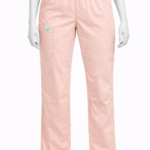
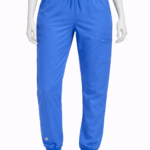
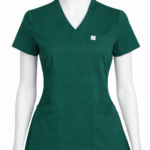
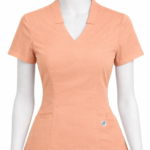
No products added!

Why Choosing the Right Scrubs Actually Matters
Healthcare work is physical, whether you’re a PSW doing transfers all shift or a dentist standing at chairside for hours at a stretch. You’re crouching, reaching, pushing carts, twisting to grab supplies off a shelf that’s just out of reach. Scrubs made for looks instead of function fall apart under that kind of use. Seams give out. Colour fades after a few industrial washes. Fabric goes thin at the knees and thighs first.
Good scrubs work with your body instead of fighting it. They breathe when your unit is running hot. They actually hold your badge, pens, and trauma shears without sagging by hour six. And because most workplaces here still have dress codes, they need to look put together at the end of a 12-hour shift, not just in a product photo.
None of this is complicated once you know what to check. The trouble is most online listings don’t tell you the stuff that matters.
What Makes the Best Medical Scrubs
The best medical scrubs in Canada come down to four things: breathable fabric, real stretch for movement, stitching that survives repeated washing, and a fit that stays professional without holding you back. No single feature carries a scrub on its own. It’s the combination that decides whether a set survives real clinical work or gives up after a season.
A few things worth checking before you buy:
- Fabric that moves with you during a transfer, a code, or a long stretch on your feet
- A weave that doesn’t turn into a sauna on a warm unit
- Pockets placed where you’ll actually reach for them
- Stitching that holds after repeated hot washing
- A cut that stays modest even after bending or reaching overhead
Miss more than one of these and it usually shows within the first couple of months.
Fabric Comparison: What You’re Actually Wearing
Fabric is where the real difference lives. Most scrubs today are a poly-cotton or poly-rayon-spandex blend, and the ratio changes how they feel and hold up.
| Fabric Type | Feel | Best For | Downside |
|---|---|---|---|
| 100% Cotton | Soft, breathable | Short shifts, warm climates | Wrinkles fast, shrinks over time |
| Poly-Cotton Blend | Durable, low wrinkle | General hospital use | Less give than spandex blends |
| Poly-Rayon-Spandex | Soft, stretchy, breathable | 12-hour shifts, active roles | Costs more upfront |
| Poly-Spandex Performance | Athletic feel, moisture-wicking | ICU, ER, surgical floors | Needs proper care to keep its stretch |
For most people doing long or active shifts, a poly-rayon-spandex or performance blend wins out. It’s got enough structure to look sharp but enough give to move when you need it to.
Stretch vs Non-Stretch Scrubs
Stretch fabric, usually a small amount of spandex woven into the blend, lets the fabric move with your body instead of pulling against it. That matters more than most first-time buyers expect. Reaching up to adjust an IV, dropping down to check a patient’s ankles, moving fast in an emergency, none of that works well in stiff fabric.
Non-stretch isn’t automatically bad. Some people prefer the structure of a plain poly-cotton weave, especially in roles that involve less bending and lifting, like some outpatient work. But for anyone doing bedside care, stretch fabric is the more forgiving choice, and it’s the one nurses tend to stick with once they’ve tried it.
Lightweight vs Heavy Fabrics
Lightweight scrubs, usually in the 4 to 6 oz range, work best on warm units, summer rotations, or for anyone who just runs hot. They breathe better and dry faster in the laundry. Heavier fabric, closer to 7 or 8 oz, feels more structured and lasts a bit longer but can get warm fast during a full shift.
If you’re after lightweight medical scrubs Canada workers can wear through a demanding 12-hour rotation without wilting, fabric weight is one of the first specs to check, not the colour swatch.
Moisture-Wicking Benefits
Moisture-wicking fabric pulls sweat off your skin and pushes it toward the outer layer where it can evaporate. In a busy unit, or during a hot summer stretch, this changes how a shift actually feels by hour eight or nine.
Without it, sweat just sits against your skin, and that clammy feeling sets in fast. Performance blends with a wicking finish cost a bit more, but for anyone doing regular 12-hour shifts, especially in ICU, ER, OR, or vet surgical roles, it’s usually worth it.
Pocket Functionality: Small Detail, Big Impact
Pockets seem minor until you’re mid-shift patting yourself down looking for a pen that fell through a poorly sewn seam. A well-built scrub set usually has:
- A chest pocket sized for a phone or badge reel
- Deep side pockets that can hold trauma shears or a stethoscope without sagging by noon
- A dedicated pen slot so ink doesn’t bleed onto the fabric
- Cargo-style pockets on the pants for gloves, swabs, or a notebook
If you’ve ever fished a pen out of your pocket lining instead of your pocket, you already know why this matters more than it looks on a product page.
Durability Through Repeated Washing
Hospitals and clinics often require high-heat industrial laundering, and that’s brutal on cheap fabric. Lower-quality poly blends pill, fade, or lose their shape within a few months. Reinforced stitching at stress points, the crotch seam and pocket corners especially, makes a real difference in how long a set survives.
An easy way to judge durability before buying is to check the fabric weight in the listing and skim reviews that specifically mention how the scrubs held up after months of wear, not just the first-impression comments.
Comfort During 12-Hour Shifts
Comfort over a full 12-hour shift comes down to breathable fabric, a waistband that supports without digging in, stretch that lets you move freely, and a fit that doesn’t ride up or twist as the day goes on. Elastic and drawstring combo waistbands usually beat elastic-only designs because you can adjust them through the day, especially after lunch or during a long stretch without a break.
Comfortable nursing scrubs Canada professionals actually reach for on their day off aren’t necessarily the cheapest ones on the rack. They’re the ones that still feel fine at hour ten.
Breathability and Airflow
Breathability comes down to weave and weight. Tighter, denser weaves trap heat. Looser weaves and lighter fabrics let more air through. If you work in a warm unit, a busy ER, or any physically demanding role, breathability should sit near the top of your list, right beside stretch and durability.
Infection Control Considerations
No fabric on the market is truly antimicrobial unless it’s been specifically tested and labelled that way, so be skeptical of vague marketing claims. That said, fabric choice still plays a supporting role in basic infection control. Scrubs that dry quickly after washing don’t sit damp for hours, which matters compared to fabrics that stay wet longer. Many facilities also require scrubs that survive high-heat industrial washing without breaking down, which supports their own sanitation protocols.
Any specific infection control claims should be checked against your facility’s actual policy, not assumed from a product description.
Professional Appearance Still Matters
Even the most functional scrubs need to look put together after a full shift. Wrinkle-resistant blends, clean seams, and a fit that doesn’t sag or bunch all add up to a professional look that holds from the first patient of the day to the last. For roles with direct patient or client contact, this isn’t about vanity. People form quick impressions based on how their care team looks, and scrubs that still look sharp at hour eleven support that trust.
This is really where professional nursing uniforms earn their name over generic workwear. The fit is built around the actual movement of clinical work, not just cut from a standard pattern and relabelled.
How to Choose the Correct Fit
Fit is where most online scrub orders go sideways. A size that fits great in one brand can run big or small in another, since scrub sizing isn’t standardized the way everyday clothing sort of is.
A practical way to check fit before you order:
- Measure your chest, waist, and hip at their widest points with a soft measuring tape
- Compare those numbers against that specific brand’s size chart, not a generic one
- Think about how you actually move on shift. If you crouch or reach overhead a lot, size up slightly for extra room
- Check the inseam for pants, especially if you’re petite or tall, since hems that are too long or too cropped can be a real hazard around equipment
Medical Scrubs Size Guide
Medical scrubs in Canada usually run XS to 3XL, but fit varies noticeably between brands, so check the specific size chart for chest, waist, and hip measurements instead of relying on your regular clothing size.
| Size | Chest (in) | Waist (in) | Hip (in) |
|---|---|---|---|
| XS | 32-34 | 25-27 | 35-37 |
| S | 35-37 | 28-30 | 38-40 |
| M | 38-40 | 31-33 | 41-43 |
| L | 41-43 | 34-36 | 44-46 |
| XL | 44-46 | 37-39 | 47-49 |
| 2XL | 47-49 | 40-42 | 50-52 |
| 3XL | 50-52 | 43-45 | 53-55 |
Treat these as a starting point and always check the individual product’s chart before ordering. When you’re stuck between two sizes, sizing up is usually the safer call for anyone moving a lot during shifts.
Common Buying Mistakes
- Picking a set based on colour alone without checking what the fabric’s actually made of
- Assuming your usual clothing size carries over to scrub sizing
- Grabbing the cheapest option without checking stitching or fabric weight
- Overlooking pocket depth and placement, then regretting it by lunch
- Skipping reviews from people in similar roles, like ICU nurses or PSWs, who talk about long-term wear
- Not checking the return policy before ordering online, just in case the fit’s off
Skip these and you’ll save yourself both money and the annoyance of wearing scrubs that don’t hold up past a few shifts.
Checklist Before Buying Scrubs
Quick checklist before you add anything to cart:
- Fabric blend has some stretch built in
- Fabric weight suits your climate and how active your shifts are
- Pockets are deep enough and placed somewhere useful
- Size chart matches your actual measurements, not your usual size
- Reviews mention how the fabric held up after multiple washes
- Colour and style fit your workplace dress code
- Return or exchange policy is clear in case the fit’s wrong
Run through this instead of shopping by colour, and you’ll end up with scrubs you’re still happy with months later.
Expert Tip
Order one size up if you plan to layer an undershirt underneath during colder months, or if your role has you reaching overhead a lot. A bit of extra room through the shoulders and underarms makes a noticeable difference without looking baggy.
Final Recommendations
There’s no single scrub that works for every role, body type, or workplace. A PSW doing transfers all day has different needs than a dentist standing at chairside for shorter, more controlled shifts. Still, a few things hold true across the board: look for fabric with some stretch, check the size chart instead of guessing, and don’t trade away pocket function for style.
If you’re building out your work wardrobe or replacing scrubs that have seen better days, browse a few different styles and fabric weights and see what actually fits how you work, rather than defaulting to whatever’s cheapest. Weave World’s collection is built around exactly this, with fabric blends and cuts made for the demands of Canadian healthcare shifts. Have a look through the shop and compare a couple of fabric options against your own routine before committing to a full set.
FAQs
What are the best medical scrubs in Canada? The best medical scrubs in Canada combine breathable, moisture-wicking fabric with real stretch, reinforced stitching, and pockets you’ll actually use. The right pick depends on your role and shift length, but performance blends generally hold up best for long, active shifts.
How do you choose the right medical scrubs? Start with your role’s physical demands and typical shift length, then check fabric blend, stretch, breathability, and pocket layout. Always match your measurements against the specific brand’s size chart instead of assuming your usual clothing size will work.
Which fabric is best for medical scrubs? Poly-rayon-spandex and poly-spandex performance blends tend to work best, balancing breathability, stretch, and durability. Cotton blends are fine for shorter, less physical shifts but wrinkle more easily over time.
How should medical scrubs fit? Scrubs should fit close enough to look professional but loose enough to allow full movement for bending, reaching, and crouching. A snug but not tight fit through the chest and hips, with room in the shoulders for overhead reaching, is generally the sweet spot.
Do lightweight scrubs wear out faster than heavier ones? Not necessarily. Lightweight scrubs made with quality poly-blend fabric can last just as long as heavier ones, especially when they’re reinforced at stress points like seams and pocket corners. Fabric quality matters more than weight.
Can I wear the same scrub size across different brands? Not always. Sizing shifts between manufacturers, so check each brand’s specific size chart using your actual chest, waist, and hip measurements instead of relying on a size that fit well elsewhere.
How often should scrubs be replaced? Scrubs in regular rotation, worn and washed several times a week, usually start showing wear within 8 to 12 months. Fading, thinning fabric, or a stretched-out waistband are the usual signs it’s time for a new set.