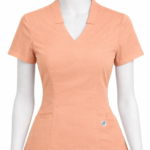
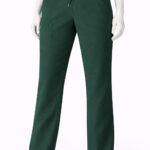
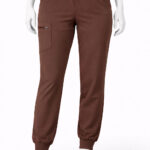
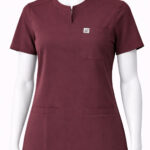
No products added!

If you’ve ever finished a long shift with a waistband line pressed into your skin, a pocket seam that gave out before lunch, or sleeves that kept bunching up every time you reached for a chart, you already know that medical scrubs aren’t just a uniform. They’re working equipment, and they get treated like it.
Picking a good pair of scrubs isn’t really about how they look on a hanger. It’s about how they hold up once you’re on your feet for hours, bending over a bed rail, or half jogging down a hallway because a call bell won’t stop. A scrub top can look sharp in a mirror and still ride up the second you raise your arms. Pants can feel fine standing at a counter and then pull tight across the knee the moment you crouch down to check an IV line.
This guide isn’t another roundup of “the best scrubs.” It’s meant to walk through the actual details that separate a comfortable, practical uniform from one that just looks the part: fit, fabric, pocket layout, and the kind of everyday wear and tear that only shows up after a few real shifts. If you’re restocking your closet or buying your first set before a placement, these are the things worth thinking through before you check out.
What Should You Look for in Medical Scrubs?
There’s more going on in a pair of scrubs than most people notice until something goes wrong with them.
Fit is the first thing that determines whether you’re moving freely or constantly tugging and adjusting. Fabric decides how the scrubs feel against your skin hour after hour, whether they breathe, and how they survive the wash. Stretch matters the moment you bend, reach, or help move a patient. Breathability is easy to ignore until you’re six hours into a shift in a warm unit, maybe layered under PPE, and starting to feel it.
Mobility is a bit broader than stretch alone. It’s about whether the whole garment moves with your body or fights against it. Pocket space tends to go unnoticed right up until you’re patting yourself down looking for scissors or a badge reel. Durability is really a question about time: how many wash cycles can this actually survive before the seams give or the fabric thins out. And ease of care matters simply because most healthcare workers don’t have time for special washing instructions between shifts.
Appearance still plays a role, especially in patient facing work, but it’s the last item on the list rather than the first. None of these factors work well in isolation, either. Great fabric in the wrong fit still feels wrong, and a great fit in the wrong fabric will still leave you overheated by mid shift.
How Should Medical Scrubs Fit?
Fit is where most scrub purchases actually succeed or fail, and it’s a lot more specific than grabbing your usual t shirt size off the rack.
Shoulders and sleeves
A scrub top should sit at your natural shoulder line, not drooping past it and not pulling tight across it either. Sleeves that run short tend to ride up whenever you reach overhead, say to adjust an IV pole or a monitor. Sleeves that run long can catch on equipment or drag against a workstation, which gets old fast.
Chest, waist, and how much room you actually need
Through the chest and waist, you want enough room to bend forward, twist, and reach without feeling the fabric pull tight across your back. Too fitted, and repetitive tasks like charting, lifting supply bins, or helping a patient sit up start to feel restrictive. Too loose, and the top gets bulky under a lab coat or turns into something that snags on equipment.
Rise, waistband, and pant length
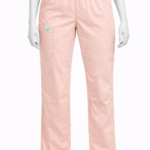
The waistband is where a lot of scrub pants either win or lose you. Whether it’s elastic, drawstring, or a mix of both, it needs to sit comfortably at your natural waist without digging in when you’re sitting for long stretches at a workstation. Rise matters too. Go too low and pants gap when you bend. Go too high and snug, and crouching or kneeling starts to feel tight through the hip.
Length is simpler: pants should hit at or just above the shoe. Long enough to look tidy, short enough that they’re not dragging on wet floors or catching under non slip soles.
Fit depends on what your day actually looks like
There’s no single correct fit, because the right one depends on your role, your body shape, and how much bending, reaching, or walking fills your day. A PSW handling transfers all shift needs something very different from a clinic receptionist who’s seated most of the time. A lot of brands now offer a wider range of cuts, including scrubs for women built with different hip and waist proportions in mind, so it’s worth trying more than one silhouette instead of assuming the first one you grab is the right one.
Choosing the Right Fabric for Medical Scrubs
Fabric is where comfort either gets built in or gets left out entirely. Because scrubs are often washed frequently and worn for hours at a stretch, fabric choice affects both how the day feels and how long the garment lasts.
Breathability comes up a lot for a reason. Scrubs get worn in warm clinical spaces or layered under PPE, and a fabric that traps heat starts to feel noticeably heavier by hour six. Softness matters most around the collar, underarms, and waistband, the spots where friction builds up over a long shift. Stretch is what lets the garment move with you instead of resisting every bend, and blends with a bit of spandex or elastane tend to hold their shape better through repeated movement than fabrics without any give.
Durability is really about laundry frequency. Thinner or lower quality fabric starts to pill, thin out, or lose its colour faster once you’re washing it after every single shift, which most healthcare workers are. Moisture management is worth a mention too, since how a fabric handles perspiration makes a real difference in fast paced units or warmer climates. And then there’s the unglamorous stuff, ease of washing and wrinkle resistance, which matters a lot more at eleven at night doing laundry before an early shift than it does in a store.
As for what’s actually in the fabric, cotton tends to bring softness and breathability, polyester tends to hold up well and resist wrinkles, and rayon adds a softer drape. Spandex or elastane usually shows up in smaller amounts to add stretch. None of these is universally the best choice. A cotton heavy blend might breathe better but wrinkle more, while a polyester heavy blend resists wrinkles but can feel less breathable in a hot unit. It comes down to your environment and what you personally find comfortable.
Why Pocket Design Matters in Medical Scrubs
Pockets are one of those details that seem minor until you actually start working in the scrubs. Throughout a shift, healthcare workers are reaching for pens, scissors, alcohol swabs, badge reels, phones, and notepads constantly, and usually while already moving.
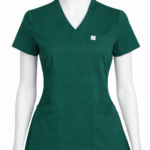
The number of pockets matters less than most people assume. A top crammed with five pockets in awkward spots is less useful than one with three placed exactly where your hands land without thinking. Placement is really about whether you can grab something without stopping or twisting your whole body to do it. Chest pockets work well for things you need fast, like a pen or a badge. Side or cargo pockets on pants suit bulkier items like a phone, as long as they’re not positioned so low that they bounce around or catch on furniture while you walk.
Depth matters more than people expect, too. A shallow pocket can let a pen or a pair of scissors slide right out the moment you lean over a bed rail or crouch down. And it’s worth watching for bulk. Pockets stacked too close together can make a garment feel boxy and heavier than it needs to be, especially once you’ve loaded it up with a phone, a pen, and a badge reel.
Good pocket design isn’t about cramming in as much storage as possible. It’s about having the right storage in the places your hands actually go during a normal shift.
Jogger Scrubs Canada: Are They Right for You?
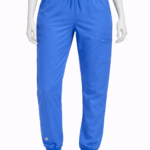
Jogger style scrub pants have caught on with a lot of healthcare workers over the past few years, and it’s easy to see why. A tapered leg paired with an elastic or ribbed ankle cuff gives the pant a more fitted, current look while still leaving room to move through the hip and thigh.
The ankle cuff is really the defining feature. It keeps the pant leg more contained around the ankle, which some healthcare workers prefer for a cleaner, more secure feel while moving around during a shift, and it gets rid of the loose, flapping fabric that traditional scrub pants sometimes leave around the ankle.
Waistband comfort on joggers is usually similar to a standard pair, elastic or drawstring in most cases, but the tapered leg feels different if you’re used to a looser cut. Some healthcare workers find the fitted ankle helps with mobility and gives a cleaner look, particularly in patient facing roles. Others, especially anyone who needs extra room for compression socks or just prefers a traditional silhouette, may not find joggers as comfortable.
Jogger scrubs aren’t the right fit for every role or every person. If you’re looking at jogger scrubs Canada options, it’s worth trying a pair on before ordering a few, since the tapered fit sits differently on different bodies and movement styles than a classic straight leg pant does.
Finding Affordable Scrubs Canada Healthcare Professionals Can Actually Wear
Affordable shouldn’t mean disposable. When you’re looking for affordable scrubs Canada healthcare workers can actually rely on, value has more to do with what you get for the price than the number itself.
Fabric quality is a good place to start. A lower price is only a good deal if the fabric holds its colour, shape, and softness through repeated washing. Stitching and construction are worth a close look too, particularly around stress points like the crotch seam on pants and the pocket edges on tops, since those are usually the first places lower quality garments start to fail.
Durability ties directly back to cost, because a slightly higher price on a well made set can end up cheaper over time than replacing a bargain set every few months. Fit and comfort matter for a similar reason. Scrubs that actually feel good get worn regularly, while scrubs that pinch or ride up end up pushed to the back of the closet no matter what they cost.
Versatility plays into this too. A neutral set that works across different shifts and departments earns its keep faster than a niche print you can only wear occasionally. And ease of care still matters at this stage, since anything requiring special washing instructions adds time most people don’t have.
Affordable doesn’t have to mean poorly made. Looking at construction and fabric alongside the price tag gives a much clearer picture of actual value.
What to Check When Buying Medical Scrubs Online Canada
Shopping for scrubs online Canada opens up a much wider range of sizes, styles, and colours than most physical stores carry. The tradeoff is that you can’t try anything on first, so it helps to do a bit more homework before adding items to your cart.
Start with the size chart rather than your usual size label, since sizing varies a lot between brands. Compare the garment measurements against your own, especially chest, waist, hip, and inseam, rather than assuming a medium in one brand matches a medium in another.
Read through the fabric information on the product page. It usually tells you the composition, which gives you a sense of stretch, breathability, and how the fabric is likely to feel before it even arrives. Pay attention to the fit description too. Words like relaxed, classic, or modern fit mean different things depending on the brand.
Look closely at the product photos, ideally from a few angles and on a model if that’s available, since a flat lay image rarely tells you much about drape or true length. If there are colour options, keep in mind that screens don’t always render colour accurately.
Before placing an order, check the return and exchange policy. Sizing issues are common enough with online scrub purchases that knowing the exchange window ahead of time saves a headache later. Shipping timelines are worth a look too, especially if you need the scrubs ready for a new job or a placement start date. And if customer reviews are available, they’re often the most useful source of true to size feedback from people who’ve actually worn the product through real shifts.
Medical Scrubs for Different Healthcare Roles
Different roles come with different practical demands, and scrub choice tends to reflect that even when nobody spells it out.
Nurses usually need durable, low maintenance fabric along with enough pocket space for scissors, pens, and a badge reel, given how often they’re moving between patients and workstations. Doctors often lean toward a more tailored fit for a professional look during rounds and consultations. PSWs and healthcare assistants, who spend a lot of the day assisting with transfers and other physical tasks, tend to value stretch fabric and a fit that doesn’t restrict movement.
Dental professionals and clinic staff, who often spend more time seated or standing in one spot, may care more about comfort and breathability than heavy duty pocket storage. Medical students, still building out a wardrobe and moving between placements, often lean toward versatility and value alongside fit.
These are general patterns rather than hard rules. What actually works best still comes down to personal preference and the specific demands of your own workplace.
A Simple Checklist Before Buying Medical Scrubs
Before you finalize a purchase, it’s worth running through a short list:
- Does the fit allow comfortable movement through bending, reaching, and walking?
- Is the fabric suited to the temperature and pace of your work environment?
- Are the pockets practical for the items you actually carry?
- Is the waistband comfortable through long stretches of sitting and standing?
- Are the pants the right length for your footwear and workplace safety standards?
- Does the top provide enough coverage and stay in place while you move?
- Is the fabric easy to care for given how often you’ll be washing it?
- Does the size chart line up with your actual measurements?
- Are the return and exchange terms clear in case the fit needs adjusting?
Final Thoughts
Choosing medical scrubs really comes down to matching the garment to what your workday actually demands, rather than judging it by how it looks on a screen. Fit decides whether you can move freely. Fabric decides how the scrubs feel by hour ten and how well they survive the wash. Pocket placement decides whether your tools are within reach when you need them without thinking. And durability decides whether the set you bought is still worth wearing in six months.
Taking the time to think through these details, instead of grabbing whatever looks closest to what you already own, tends to pay off in comfort over the long run. Once you have a clearer sense of the fit, fabric, and pocket layout that actually work for your role, shopping for scrubs online becomes a lot more straightforward, whether you’re picking out scrub tops and scrub pants separately or buying a full set at once.
Frequently Asked Questions
How should medical scrubs fit? They should allow a full range of motion without excess bagginess. Tops should sit comfortably at the shoulder with sleeves that don’t restrict reaching, and pants should have a comfortable waistband with enough room through the hip and knee to bend and crouch without pulling.
What fabric is best for medical scrubs? There isn’t one best fabric across the board, since it depends on your environment and personal preference. Cotton blends tend to be softer and more breathable, polyester blends tend to be more durable and wrinkle resistant, and a bit of spandex or elastane usually improves stretch and mobility.
Are jogger scrubs suitable for healthcare workers? They can work well for anyone who wants a more fitted, modern silhouette with a secure ankle cuff. They’re not automatically the right choice for everyone, though, particularly people who prefer a looser cut or need extra room for compression socks.
What should I check when buying scrubs online in Canada? Check the size chart and garment measurements closely, read the fabric and fit descriptions, look at product photos from a few angles, and confirm the return and exchange policy before ordering, since fit varies quite a bit between brands.
How can I choose affordable scrubs without sacrificing comfort? Look past the price tag to fabric quality, stitching, and construction. Scrubs that fit well and are well made tend to get worn more often and last longer, which usually makes them a better value than a cheaper set that wears out within a few months.